The Health Benefits of Eating the Rainbow
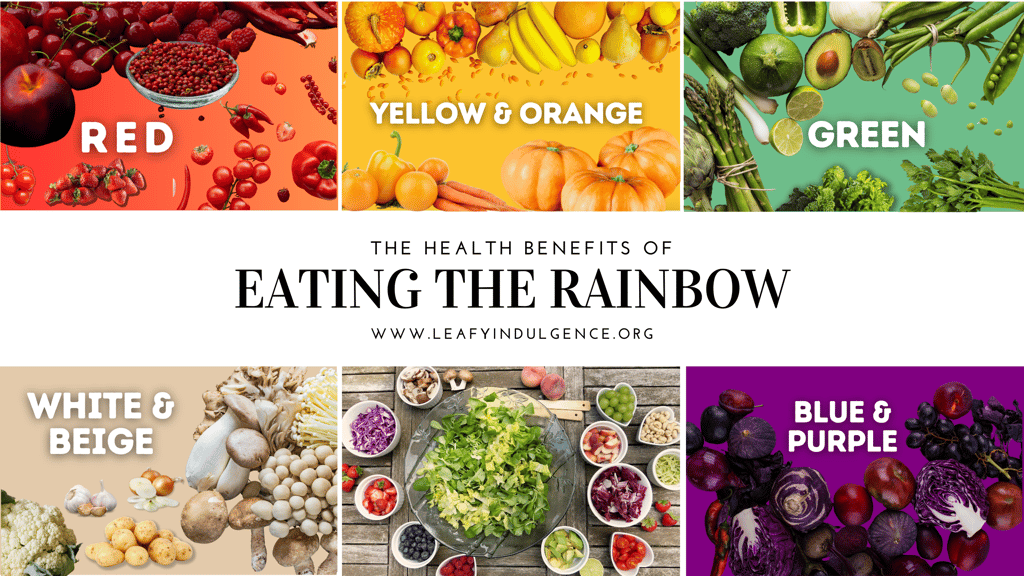
In the quest for optimal health, a diverse and colorful diet can play a pivotal role in nourishing our bodies with essential nutrients. "Eating the rainbow" is a phrase that encapsulates the idea of consuming a wide variety of fruits and vegetables, each contributing unique vitamins, minerals, antioxidants, and phytochemicals. This vibrant spectrum not only makes meals visually appealing but also offers a plethora of health benefits.
Reds:
Fruits and Vegetables: Tomatoes, Strawberries, Watermelon, Red Peppers, Raspberries, Cherries, Apples (Red Variety), Cranberries, Pomegranates and other red fruits and vegetables.
Red-hued foods are rich in lycopene, an antioxidant known for its potential to reduce the risk of certain cancers, particularly prostate cancer. Additionally, they contain vitamin C, which boosts the immune system, and anthocyanins, which support heart health.
Oranges and Yellows:
Fruits and vegetables: Oranges, Carrots, Mangoes, Sweet Potatoes, Pineapples, Papayas, Yellow Peppers, Yellow Watermelon, Golden Kiwi, Bananas, Persimmons, Squash and other orange and yellow fruits and vegetables.
Orange and yellow foods are abundant in beta-carotene, a precursor to vitamin A. Vitamin A is crucial for maintaining healthy skin, vision, and a robust immune system. These foods also provide vitamin C and folate, contributing to overall well-being.
Greens:
Fruits and vegetables: Spinach, Kale, Broccoli, Avocados, Cucumbers, Zucchinis, Brussels Sprouts, Green Beans, Peas, Kiwi, Green Apples, Grapes (green varieties), Green Peppers, Limes, Asparagus, Okra, Lettuces and other green leafy vegetables.
Leafy greens are powerhouses of vitamins A, C, and K. They are also rich in fiber, iron, and calcium. Consuming a variety of green vegetables supports bone health, aids digestion, and provides an array of antioxidants that combat inflammation.
Blues and Purples:
Fruits and vegetables: Blueberries, Blackberries, Eggplant, Purple Cabbage, Grapes (purple varieties), Black Currants, Figs, Plums, Purple Potatoes, Acai Berries and other blue and purple fruits and vegetables.
The deep, rich colors of blue and purple foods signify the presence of anthocyanins, which have antioxidant and anti-inflammatory properties. These compounds are associated with improved cognitive function and cardiovascular health.
Whites and Browns:
Fruits and vegetables: Cauliflower, Garlic, Onions, Mushrooms, Potatoes, Turnips, Parsnips, Ginger, .
White and brown foods may lack the vibrant colors of other groups, but they are not to be underestimated. They contain allicin (found in garlic and onions), which has antibacterial and antifungal properties. Additionally, mushrooms provide vitamin D, vital for bone health.
Incorporating a diverse array of colorful fruits and vegetables into your diet not only adds excitement to your plate but also ensures a broad spectrum of nutrients essential for good health. The synergistic effects of these various compounds can contribute to disease prevention, boost the immune system, and promote overall well-being.
Embrace the rainbow, and let your plate be a canvas of health and vitality. Remember, the key to reaping the full spectrum of health benefits is variety, so explore the farmers' market or grocery store with an adventurous spirit and nourish your body with the kaleidoscope of nature's bounty.
Incorporating a variety of colors into your diet ensures a broad spectrum of nutrients, each contributing to different aspects of your health. Aim for a colorful and well-balanced plate to reap the full range of nutritional benefits.


DISCLAIMER: Content provided are for informational purposes only and is not intended to be a substitute for the medical advice provided by a physician or other qualified professionals.